

Most metal treatment problems that surface months after a purchase trace back to something that was never confirmed at the quotation stage. A chemical that performs well in one shop fails in another not because the product is poor, but because the substrate, the soil, the water, or the line conditions were different from what the supplier assumed. This guide lists the nine parameters that resolve that ambiguity before an order is placed — the same checklist we work through with new customers.
1. Substrate and grade
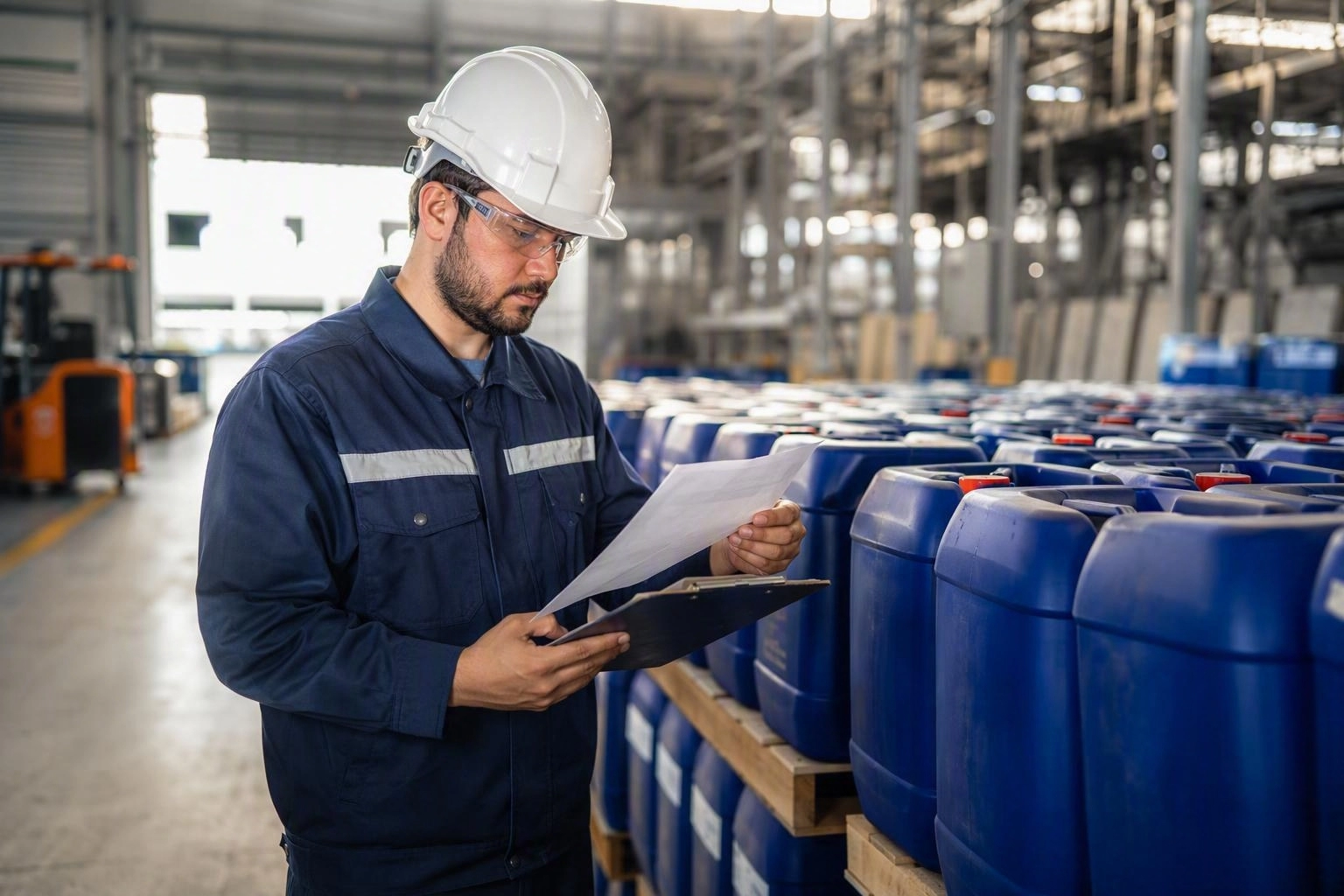
Not "steel" — specify which steel. Carbon steel, alloy steel, stainless steel 304, stainless steel 316, die-cast aluminium, extruded aluminium, galvanised steel, zinc-plated steel, brass, and copper each respond differently to the same chemistry.
Two grade details deserve particular attention:
- Stainless steel free-cutting grades with high sulphur or copper content (for example 303, 430F) behave differently from standard austenitic grades and may not be suitable for certain passivation formulations.
- Die-cast aluminium versus wrought aluminium. Die-cast alloys contain silicon and copper phases that react unevenly, and many alkaline cleaners will produce a dark smut on them. The two materials should not be assumed interchangeable when specifying a cleaner.
2. Surface area and throughput
Ask for square metres per hour or per shift, not just part counts. Bath sizing, consumption rate, and replenishment logic all depend on total treated area, and two customers processing "500 parts a day" can have a tenfold difference in actual surface area if one makes small fasteners and the other makes large panels.
This number drives almost everything economic: bath volume, chemical consumption per hour, and cost per square metre.
3. Soil type and loading
What exactly is on the part? The options are not equivalent:
| Soil | Removal difficulty | Implication |
|---|---|---|
| Light anti-rust oil, fingerprints, dust | Low | Two-in-one or neutral cleaner may suffice |
| Cutting fluid, drawing oil, machining coolant | Medium | Alkaline degrease normally required |
| Polishing paste, buffing compound | High | Often needs mechanical or multi-stage pre-clean |
| Heat scale, weld oxide, heavy rust | High | Acidic or mechanical descaling before treatment |
| Solidified or polymerised oil | Very high | Higher temperature and longer time; possibly soak then spray |
Understating soil load is the single most common specification error we encounter. A product that is technically correct will still fail if it is applied to a heavier soil than it was designed for.
4. Process method
Immersion, spray, or manual wipe-down? This is not cosmetic. Spray processes need low-foaming formulations and short contact times measured in tens of seconds. Immersion tolerates higher foam and longer dwell times. Manual application requires a product that is safe to handle and does not dry out on the surface before being rinsed.
Specifying a high-foaming immersion cleaner for a spray line produces overflowing tanks, entrained air in pumps, and inconsistent coverage. It is a predictable failure, and entirely avoidable at the ordering stage.
5. Temperature capability
What can the line actually achieve and hold? Room temperature, 40 °C, 60 °C? A product specified for 55 °C will under-perform at 30 °C and the natural response is to increase concentration, which raises cost and rinse load rather than fixing the underlying deficiency.
Confirm the achievable temperature, and how stable it is through a shift. Tank temperature drift is common on lines without adequate heating control and directly affects treatment consistency.
6. Water quality
Rinse water hardness and dissolved solids determine whether the final surface will be defect-free. Hard water leaves mineral spots on drying. High chloride content accelerates corrosion on stainless steel. If the site runs on well water or has variable municipal supply, ask for a water analysis before finalising the rinse stage — and consider whether a deionised or RO rinse is required.
This parameter is frequently ignored until a customer reports spotting that has nothing to do with the treatment chemical at all.
7. Acceptance test and target performance
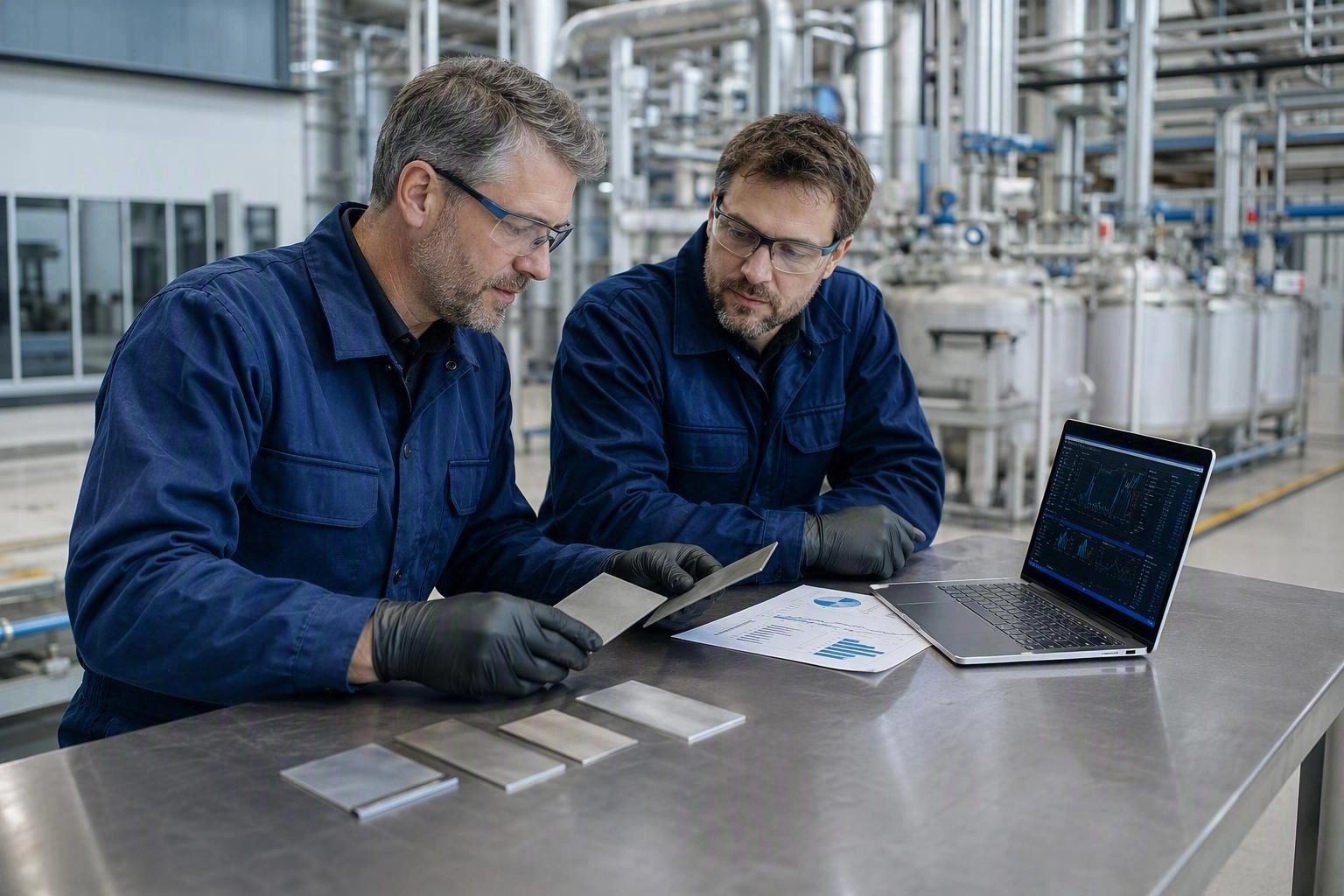
Ask the customer what they will actually measure. Common targets include:
- Blue dot test (potassium ferricyanide) for free iron on stainless steel — a pass/fail judgement on passivation quality.
- Salt spray hours to ASTM B117 or ISO 9227 — the number matters, and 96 hours is a very different requirement from 500.
- Water-break test for cleanliness before a coating stage.
- Adhesion test (cross-hatch, tape pull, or bend) for painted assemblies.
- Film weight or coating thickness for phosphating lines.
If the acceptance criterion is not stated up front, the supplier is guessing. State it explicitly, including the standard referenced and the pass threshold.
8. Line staging and existing chemistry
What happens before and after the stage you are buying for? A passivation product behaves differently depending on whether it is preceded by a dedicated alkaline clean or by nothing at all. A conversion coating performs differently depending on whether the following step is a rinse, a seal, or a paint line.
Compatibility matters in both directions. Introducing a new chemical into an existing line can disrupt the stages around it — for example, carry-over from an aggressive cleaner can consume a downstream bath faster than expected. Ask for the full stage sequence, not just the target stage.
9. Packaging, documentation, and delivery
Finally, the commercial and logistical parameters:
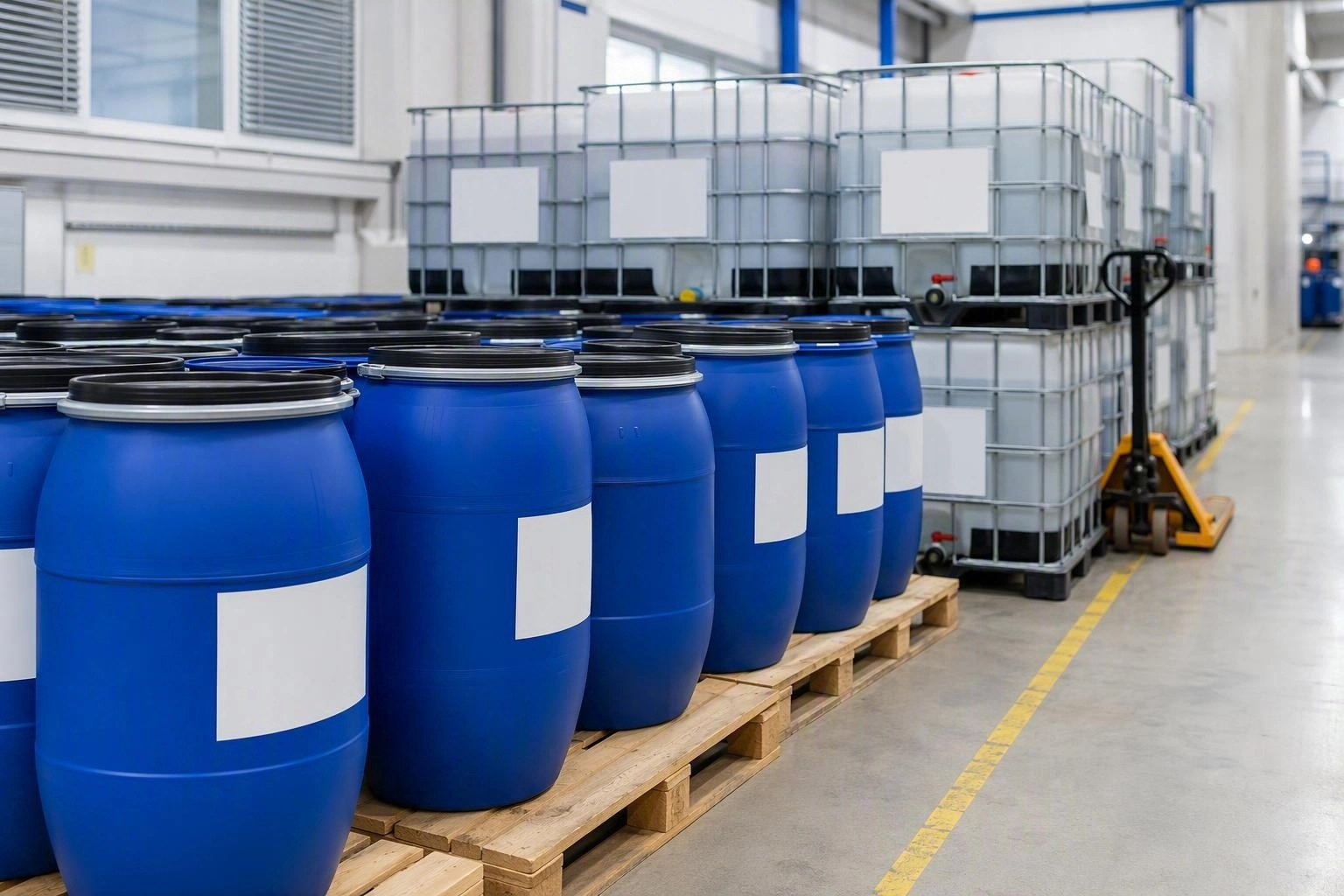
- Packaging format. 25 kg plastic drum and 1000 kg IBC are the common standards; confirm which suits your handling equipment and storage area.
- Shelf life and storage conditions. Most products carry a 12-month shelf life in the original sealed package. Confirm before ordering a year's supply.
- Documentation requirements. ISO, MSDS, and RoHS documentation are commonly required at customs and by end customers. Confirm what is needed and in what language.
- Lead time and delivery terms. Custom and OEM formulations typically take longer than stock items. Confirm lead time, and confirm whether trade terms are FOB, CIF, or DDP.
The specification sheet that prevents problems
Assemble the nine parameters into a single document and send it with the enquiry. A workable version looks like this:
| Item | Example entry |
|---|---|
| Substrate | SUS304 tube, welded, formed |
| Surface area | Approx. 180 m² per shift |
| Soil | Light anti-rust oil, weld heat tint, fingerprints |
| Method | Immersion, jigged |
| Temperature available | Room temperature to 40 °C |
| Rinse water | Municipal, hardness approx. 120 mg/L as CaCO₃ |
| Acceptance test | Blue dot test, no blue within 30 s; salt spray 96 h |
| Line stages | Degrease → rinse → treat → rinse → dry |
| Packaging / docs | 25 kg drums; MSDS in English; RoHS on request |
Any supplier who can work from this sheet will give you a more accurate product recommendation and a more reliable price than one working from "we need a metal cleaner, about 200 litres a month".
Next step
Foshan Changcheng Surface Technology produces passivation agents, chrome-free passivation agents, ceramicizing agents, silane sealants, alkaline, acidic and neutral cleaners, phosphating agents, and surface modifiers. Send us your nine parameters and we will recommend a product and dosage, then supply samples for trial on your own parts before you commit to a production order. Technical datasheets, ISO / MSDS / RoHS documentation, and electronic catalogues are available on request.


